
REFLECTION- A Tool to review what I see myself doing, what I see going on during games, what I see happening to my teammates, what I see happening in that may not follow the spirt of the game, but not directly addressed by the laws of the game.
REFLECTION- Going back over what went well, what could have gone better and what needs improvement after a game is something I'm still doing 15 years after starting as a US Soccer and US Futsal Referee.
REFLECTION- Back on the book by Michael Lewis- Playing to Win as it is a greate reminder of my Jan 5-7, 2024 window working state cup 🏅 and realizing how sportsmanship and skill development is often overlooked when a little piece of 🥇 🏆 is at stake.
REFLECTION- on what I'm doing to protect the next generation of referees from this hostile culture created by the Playing to Win mentality.

After a weekend at State Cup I decided to jump back into this post.
2025 fall update
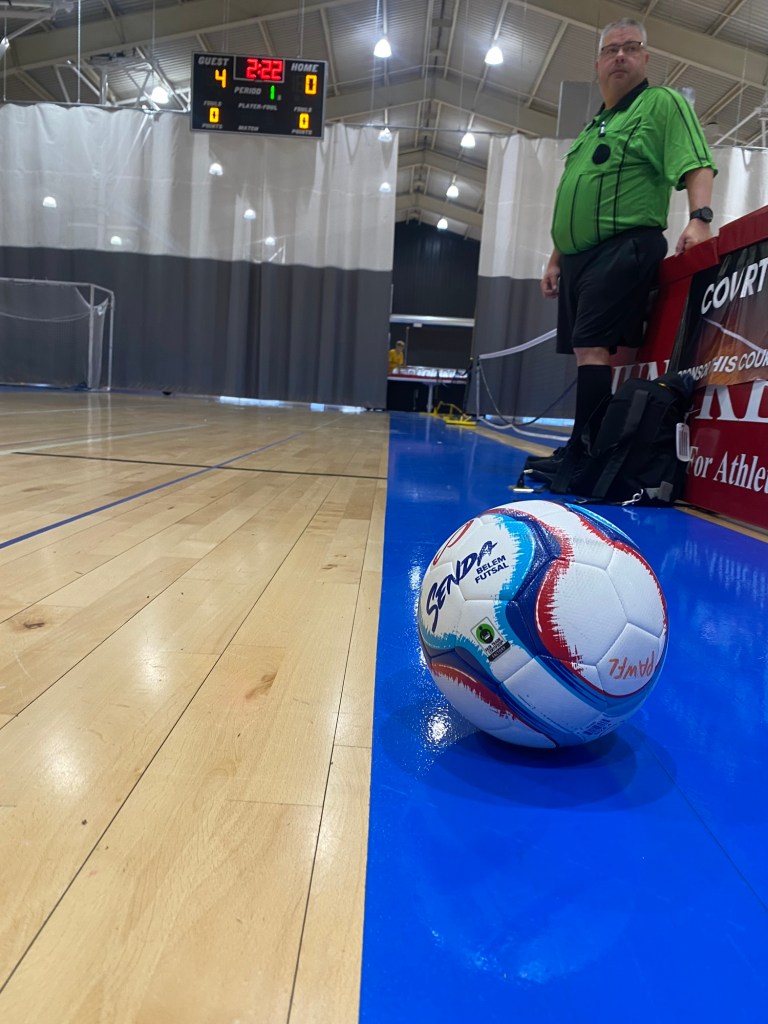
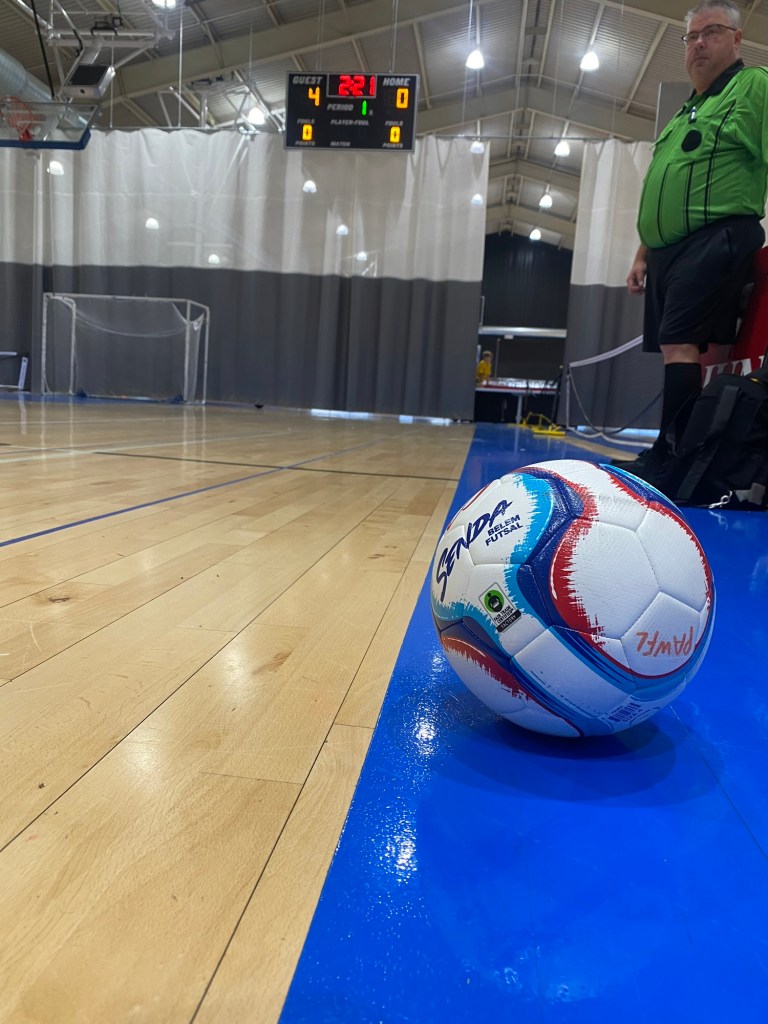









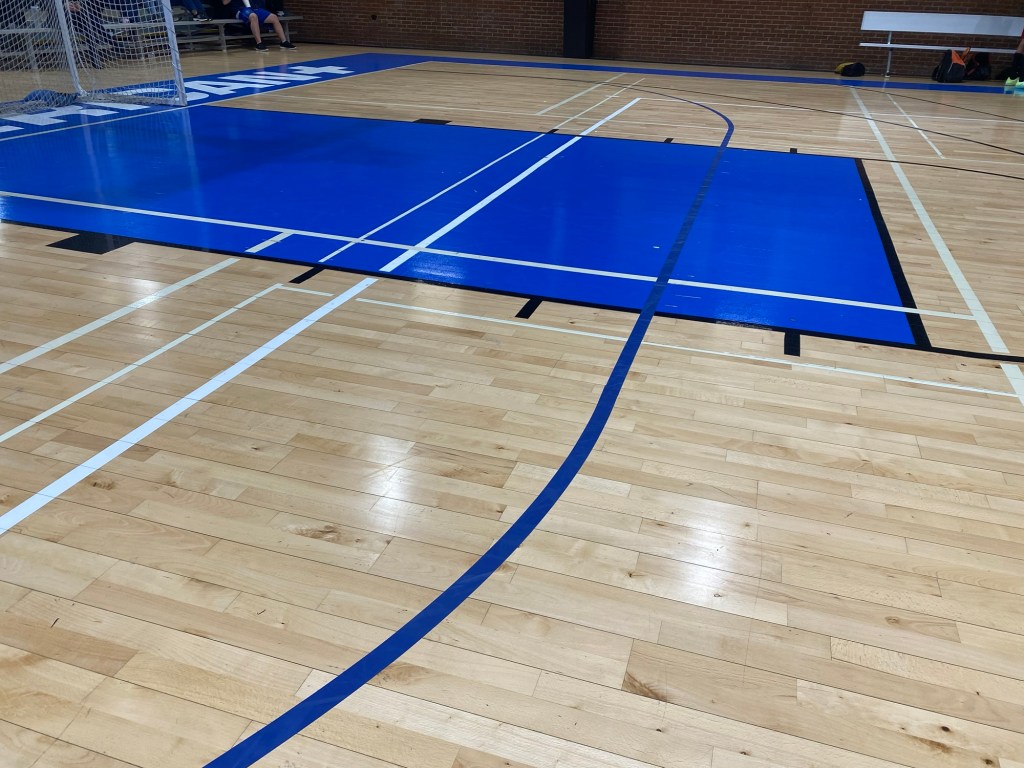
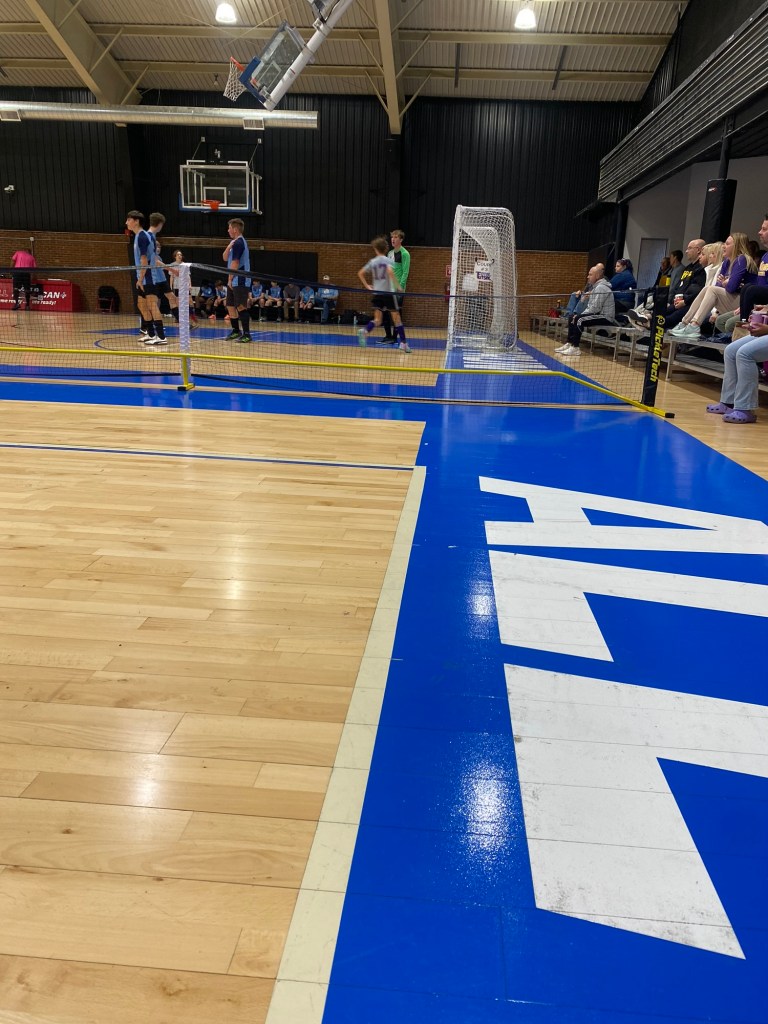


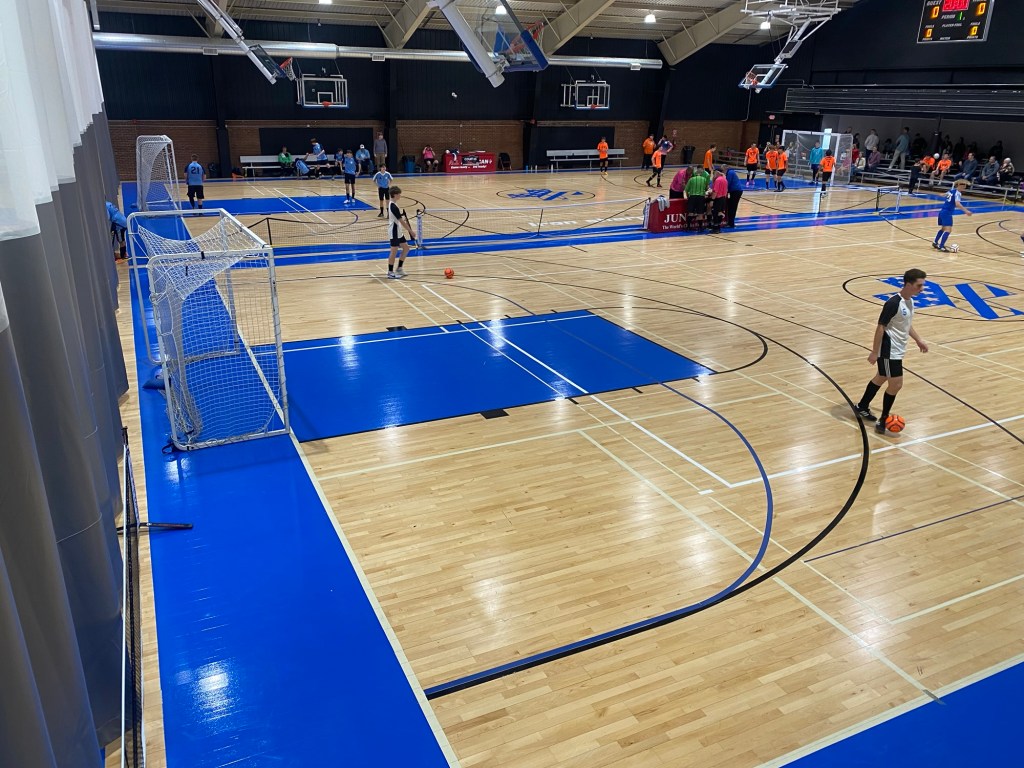
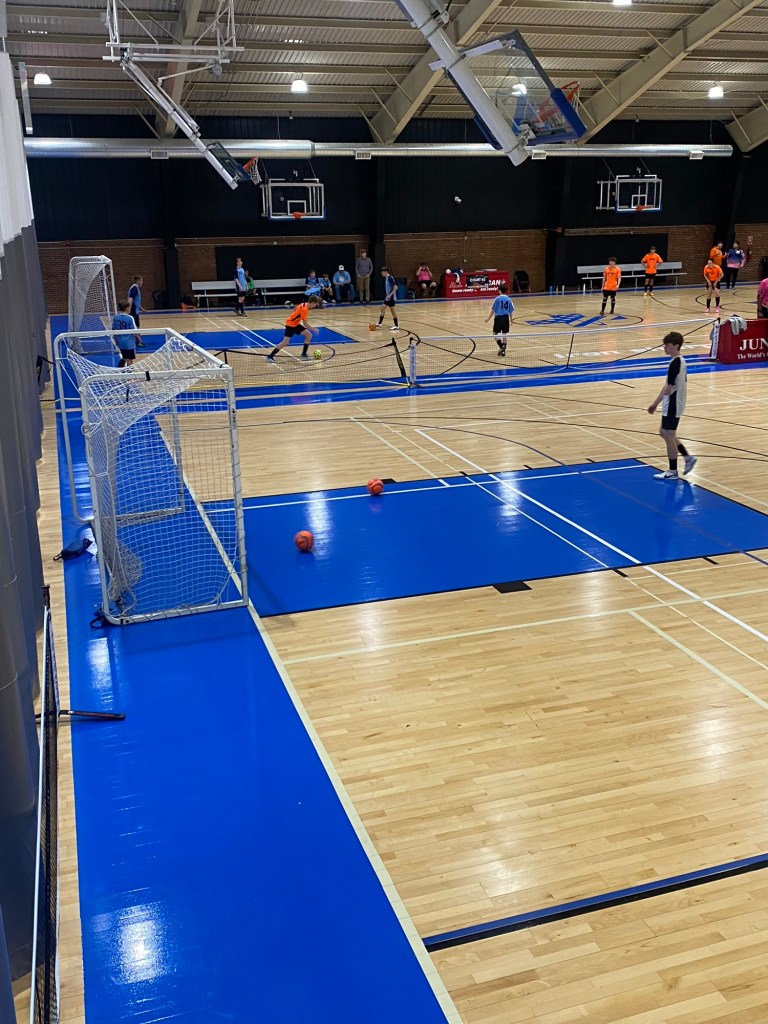

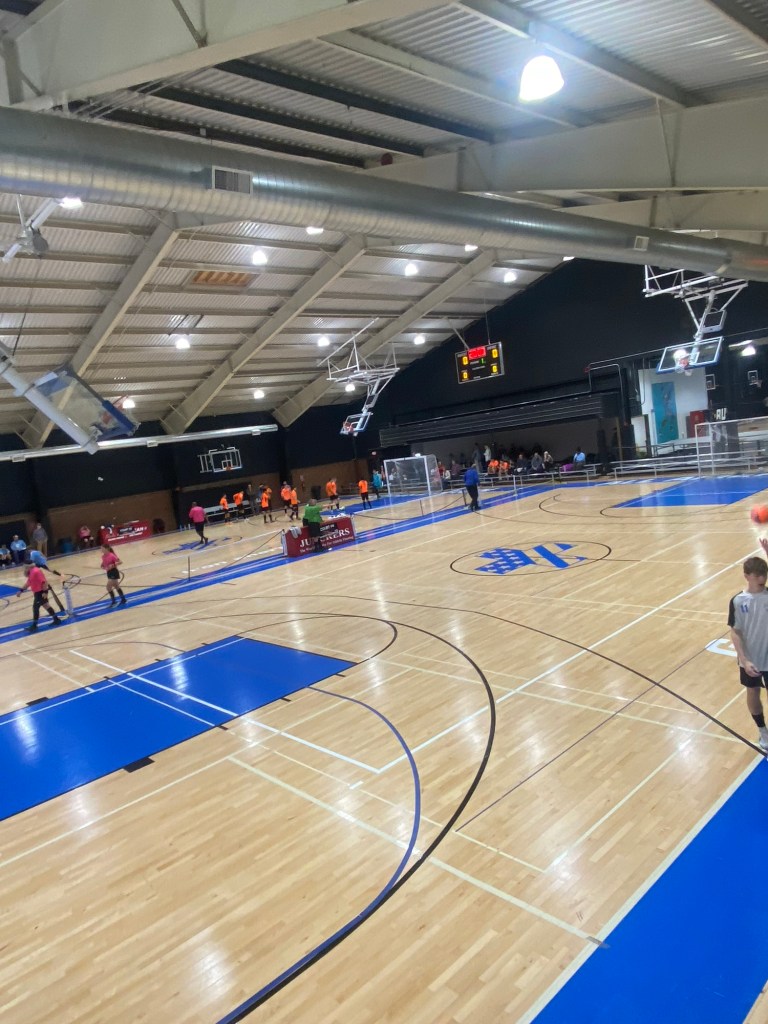


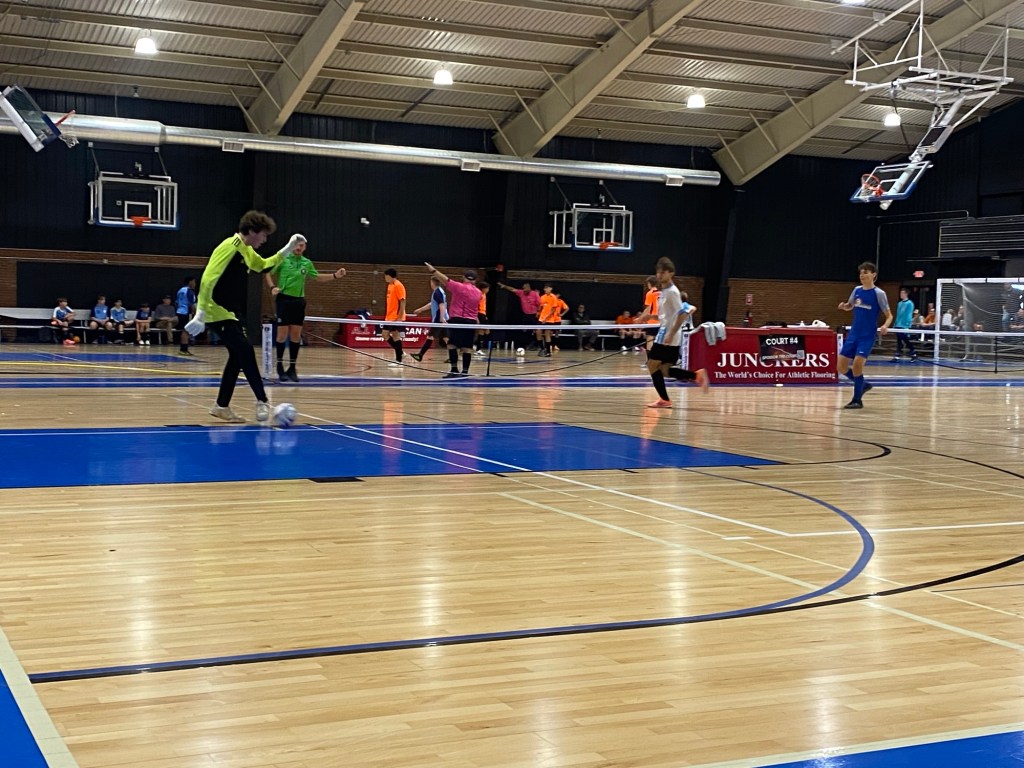

Here in Pennsylvania the outdoor season is closing out and the indoor facilities are starting up. We have dasher board soccer, futsal, small sided outdoor fields and even full sized outdoor fields. No matter what version of the game, we need to remember that we are not only responsible for applying the laws of the game but also making the customers in the various business places we independently contract with feel safe and have a positive experience, That being said we also have extra responsibilities that we don’t have during the regular season. Know where the AED is located in these facilities and make sure that the staff has working knowledge of the Emergency Action Plan in case of any life threatening emergencies.
- Know the house rules, which are often modified from FIFA/IFAB.
- Slide tackles
- Time penalties for cards, blue, yellow, red.
- Dashers often make all kicks DFK, even for IDFK offenses.
- Shoulder charges near boards or on a futsal field.
- Goal Clearances
- Restarts from the touchline/dasher
- Offside vs 3 lines
- Penalties for delaying the game/hitting ceiling
- Facility time management, in addition to operating scoreboard game clocks, make sure games start and end on time.
- If games start every 50 minutes.
- Each half is 20 minutes, halftime is 2 minutes, time between games is 6 minutes.
- If games start every 55 minutes.
- Each half is 24 minutes, halftime is 1 minutes, time between games is 4 minutes
- If games start every 60 minutes
- Each half is 25 minutes, halftime is 2 minutes, time between games is 5 minutes.
- When working in Cheswick–Games consist of two, 24-minute halves. There will be a two-minute halftime. Games will start every 55 minutes. There will not be time for warming up. Games use running time throughout. The clock will be stopped only for injuries or for other extraordinary reasons as the official deems necessary. Goals do not stop the clock. There is no waiting period the game clock starts on the hour.
- If games start every 50 minutes.
- Using cards to encourage safe play even if it may not be a card for you in an outdoor game, it may need to be in an indoor game due to:
- the small space,
- the hardness of the playing surface,
- the boards,
- end walls or netting,
- the proximity to fans/benches.
- prioritize safety first.
- Using verbal and non-verbal communication to let the players and fans know that you saw something but it didn’t reach a whistle level.
- Positioning in a 2-person, 2 whistle system.
- Control the first few weeks of any season very tightly and loosen up as the players adapt to playing indoor vs outdoor. This is primarily for training and skill improvement– nobody wants to miss their next season due to an injury. `
- Rely on the staff to manage spectators.
- Stay Hydrated

| Soccer | Futsal | Arena Soccer |
| 110yds x 70 yds | 100 ft x 60 ft | 200 ft x 85 ft inside hockey boards |
| All kicked restarts are Direct Free Kicks even for IDF violations. | ||
| 11 players 5 substitutions | 5 players Unlimited “flying” substitutions (12 Players on a Team) | 6 players Unlimited “flying” substitutions (17 Players on a Team) |
| Some contact | No shoulder charges or sliding tackles | No shoulder charges within 10 ft of boards No sliding tackles |
| Unlimited back passes to Goalkeeper | One back pass to Goalkeeper in own half. | Depending on the level there may be a limit of One back pass to Goalkeeper in own half. |
| Throw-in | Kick-in | Kick-in (Direct Free Kick) |
| Goal kicks | Goal Clearance (throw) | Goal Clearance (throw) |
| Corner kick placed in arch | Corner kick placed on corner | Corner kick placed on corner spot |
| Offside Rule | No Offside | 3 line pass. |
| No absolute time limit to restart | 4-second rule on restarts | 6-second rule on restarts |
| No sub for player sent off | Player sent off can be substituted for after 2 minutes or other has scored | Blue card 2 minutes. Yellow card 2 min, Red Card 5 minutes. |
| #5 Ball | #4 Ball – 30% less bounce | #5 Ball |
| Accumulated fouls handled with PI as a caution. | 5 fouls then Kicks from 2nd Penalty Mark. | 5 fouls then team Blue card for 2 minute power play. |
| Team Time Penalties Team time penalties are issued when a team has committed 6, 12, and 18 fouls in a half. The appropriate card (blue – 6 fouls, yellow – 12 fouls, red – 18 fouls) shall be shown to the team bench to indicate the team has received a time penalty. An individual is not assessed the card for tracking purposes, but the team must play down a player for the appropriate length of time. | ||
| ● If a goal is scored by the opponent when a team is serving a time penalty for a blue card power play or caution, the team serving the team time penalty may return one player to the field. Because no individual is assessed the card, any player may return to the field. | ||
| 45 minute halves | 20 minute halves | Arena rules Pro 15 min qtrs. |
| No time-outs | 1 time-out per half | Arena rules of running clock. Pro 1 per game. |
| A 3-line infraction occurs when the ball crosses over both red lines in the air without touching the wall, player or the ground. This will result in a free kick from the red line closest to the original kick. Any team playing with two fewer players than the opposing team are not subject to the 3-line rule. Passing the ball over 3 lines toward your own goal is allowed. |
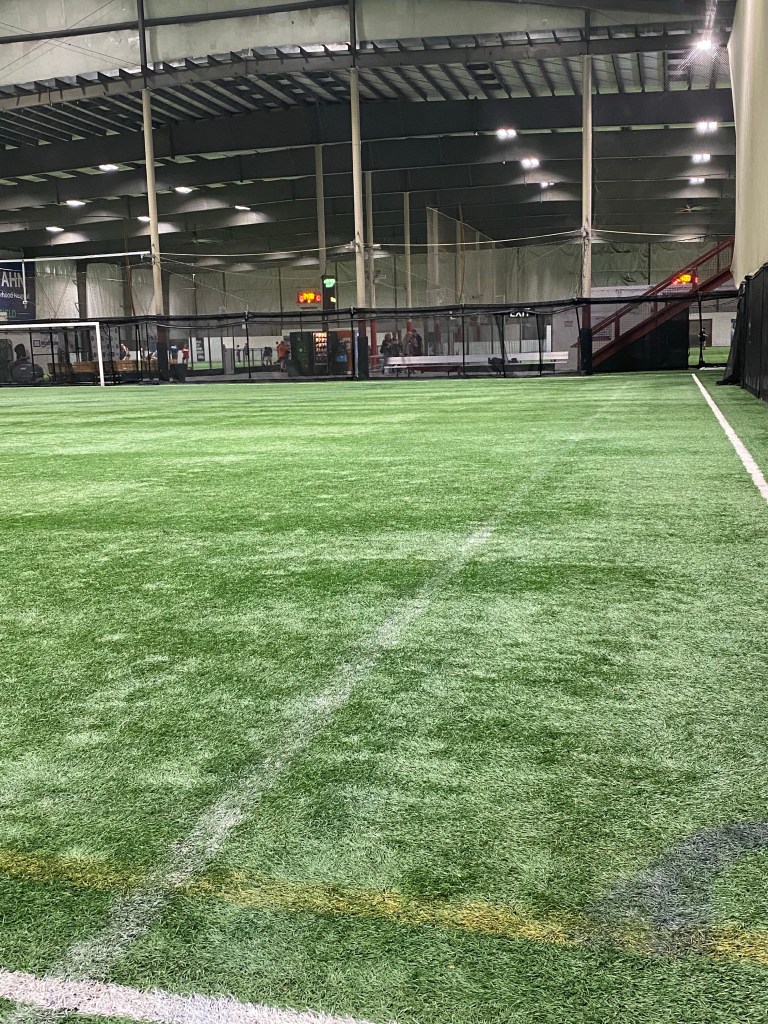


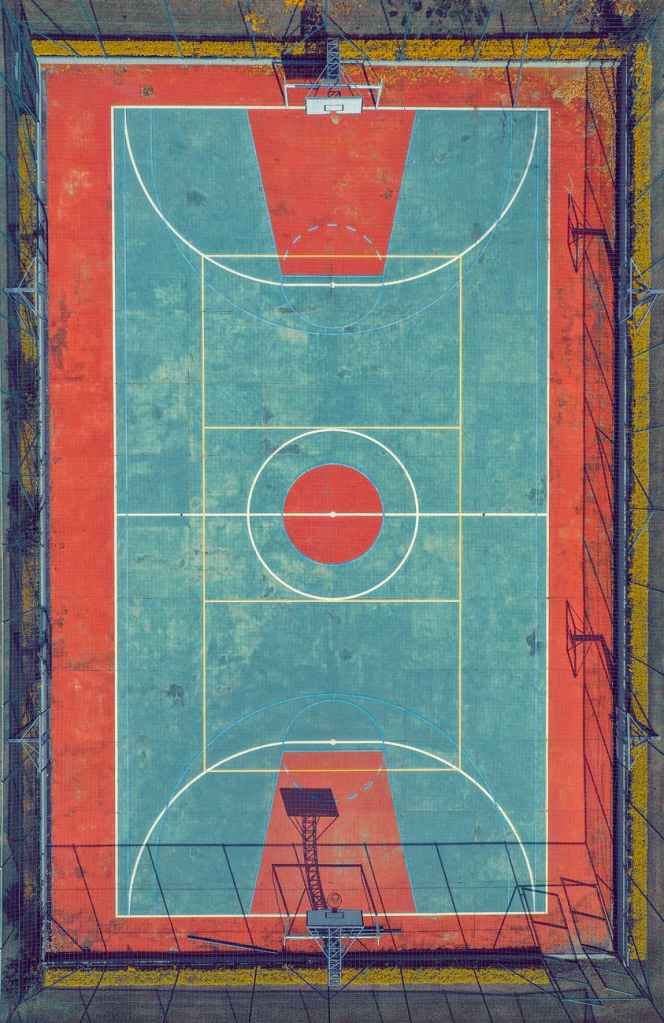


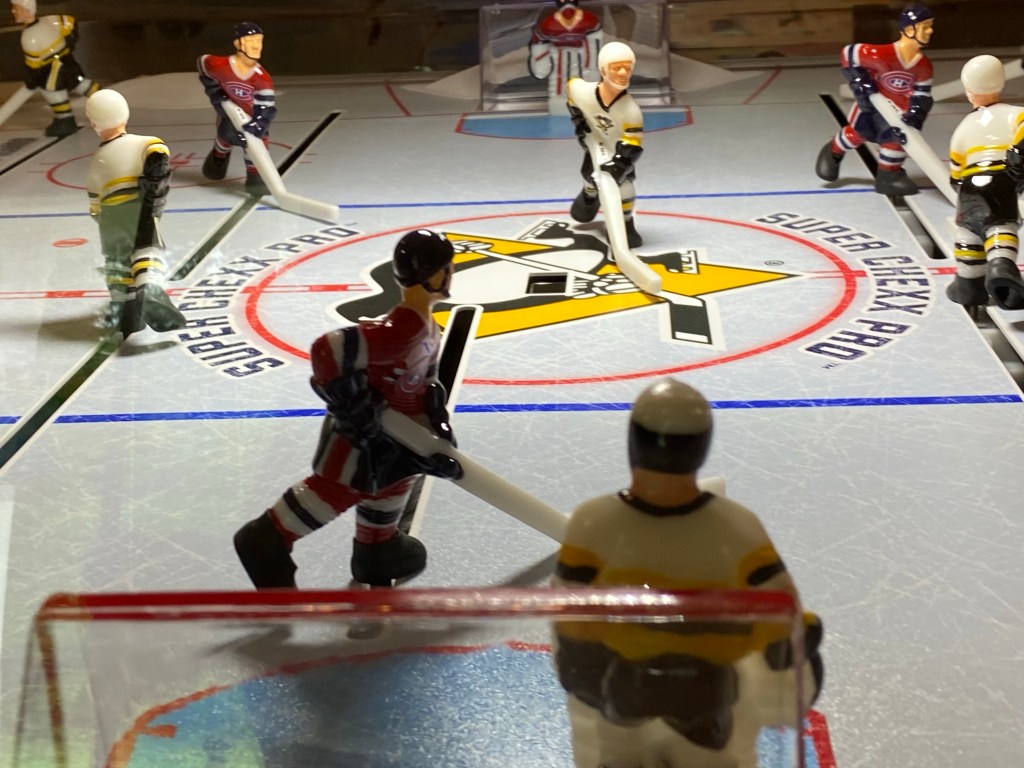


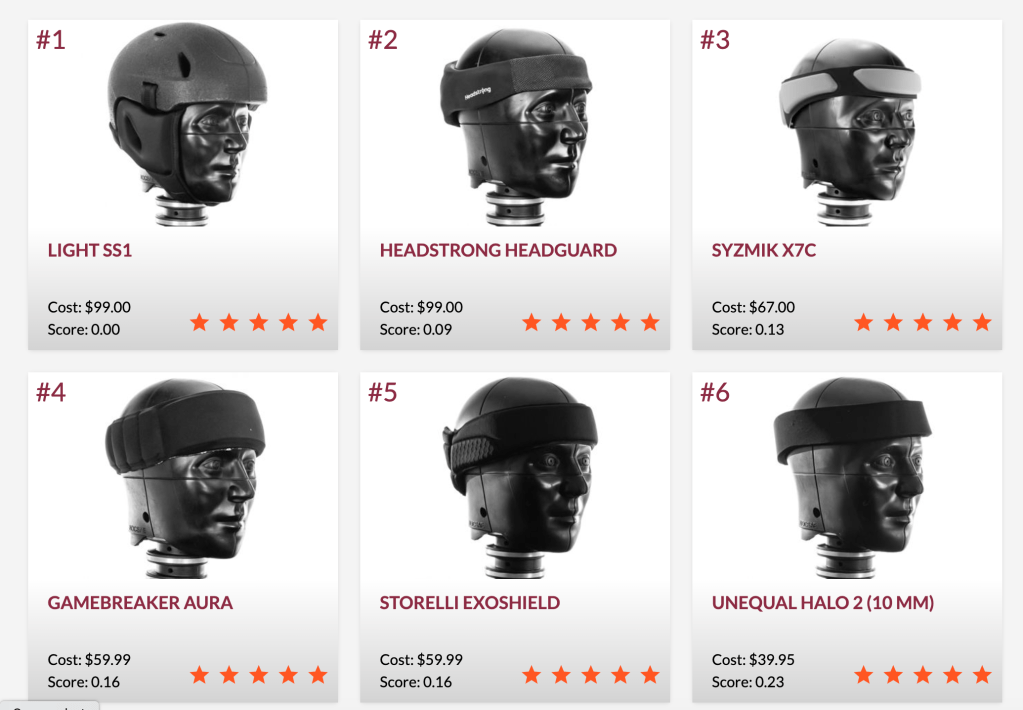
My dream scenario that we don’t have in Pennsylvania yet but makes sense when running a business.
My friends in Washington State have a blue card for rough play in their co-ed dasher league. If I didn’ t know better I’d call it the D-head rule. If you choose to shoot with power and a female player is in front of you, your shot will warrant a blue card for a 2 minute penalty.
ROUGH Play
Rough play (fouls) will be characterized as flagrant and non-flagrant. A flagrant foul will be penalized by a two-minute penalty, as in ice hockey. Violent intentional violations such as pushing, tripping, etc. will bring about this penalty. After a penalty, play resumes with a direct free kick at the spot of the foul. Continual rough play by and individual will result in a game ejection and possible suspension from the league. Non-flagrant fouls will bring about a direct free kick at the point of the violation only. Any problems or questions which arise during a game will be dealt with by the official. One official will be present for all games and their decisions are final.
Co-ed Macho Rule
Adult League Only – A driven ball within arms reach and above the waist of a female player will result in a foul called at the location of the player. The intent of this rule is to protect female players from uncontrolled and unreasonably aggressive play by male players.

USFF 2024 Recertification notes.
- Positioning and enforcement of the GK positioning on the 2nd penalty. Little ball on the line, Big ball 5 m from ball.
- Sliding and Slide tackling, including GK outside of the Penalty Area.
- Cautions for Dissent
- The need for a competition and rules committee for tournaments.
- Young referee development, coaching and protection.
- State Cup Jan 6, 7, 8.
- Regionals over President’s Dave Weekend.
- USYF Lancaster Regional Jan 20, 21, 22.
The section below is really not for referees, but it is for any referee who wonders what good coaches should look like and how good coaches should work with their parents. As a National D Coach and a referee, I have multiple lenses that allow me to understand both the LOTG and what player development should look like. If you are curious, start here. . .
The Six Tasks of a US Soccer Coach
- Leadership (L)
- developing and implementing leadership characteristics in all aspects of coaching and personal development in order to develop the team and the player
- Coaching Games (CG)
- Coaching the team during soccer games focused on achieving a predefined objective
- Coaching Training Sessions (CTS)
- Preparing the team systematically during training
- Leading the Team (LT)
- Leading a team of players in order to drive and improve team development
- Leading the Player (LP)
- Leading and guiding individual players
- Managing the Performance Environment (MPE)
- creating and developing a performance environment
As a parent, you need to know what you are committing to for your player, US Soccer and various state organizations have adopted programs to focus on keepin ghte game fun and making sure parents don’t commit blindly to programs that could harm their player in the long run:
https://learning.ussoccer.com/articles/coaching/article/parents-allies-in-player-development
As a parent you should check on your coaches license.


 FCArmstrong
Leave a comment