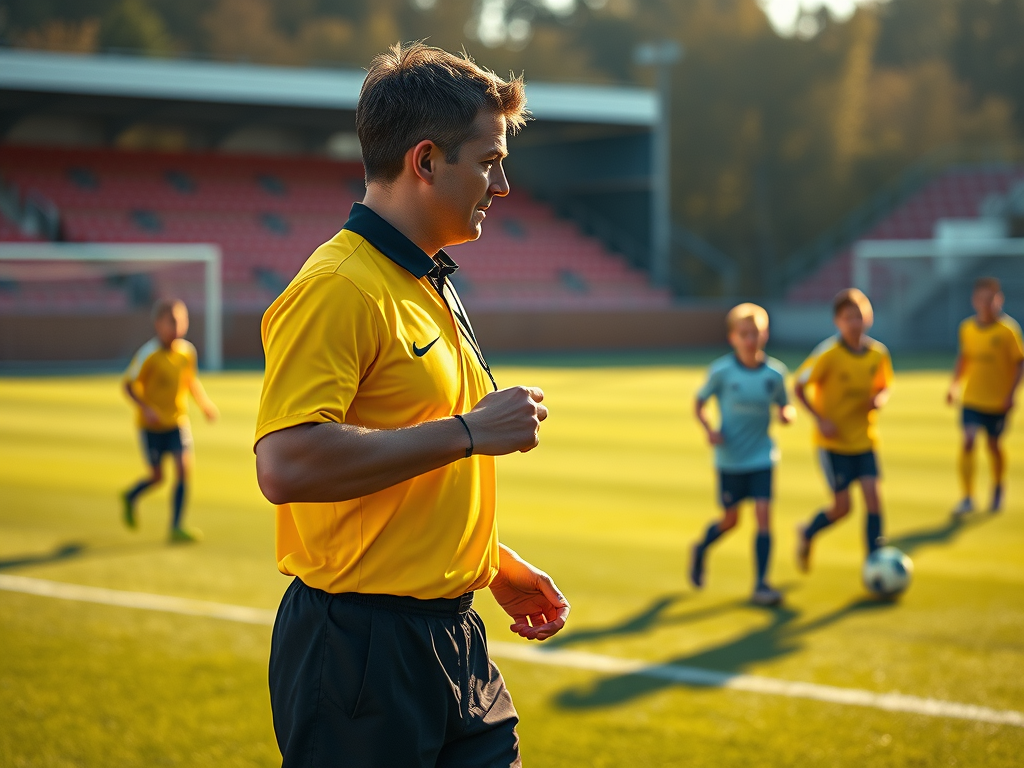
My US Soccer Mentor journey 2026.
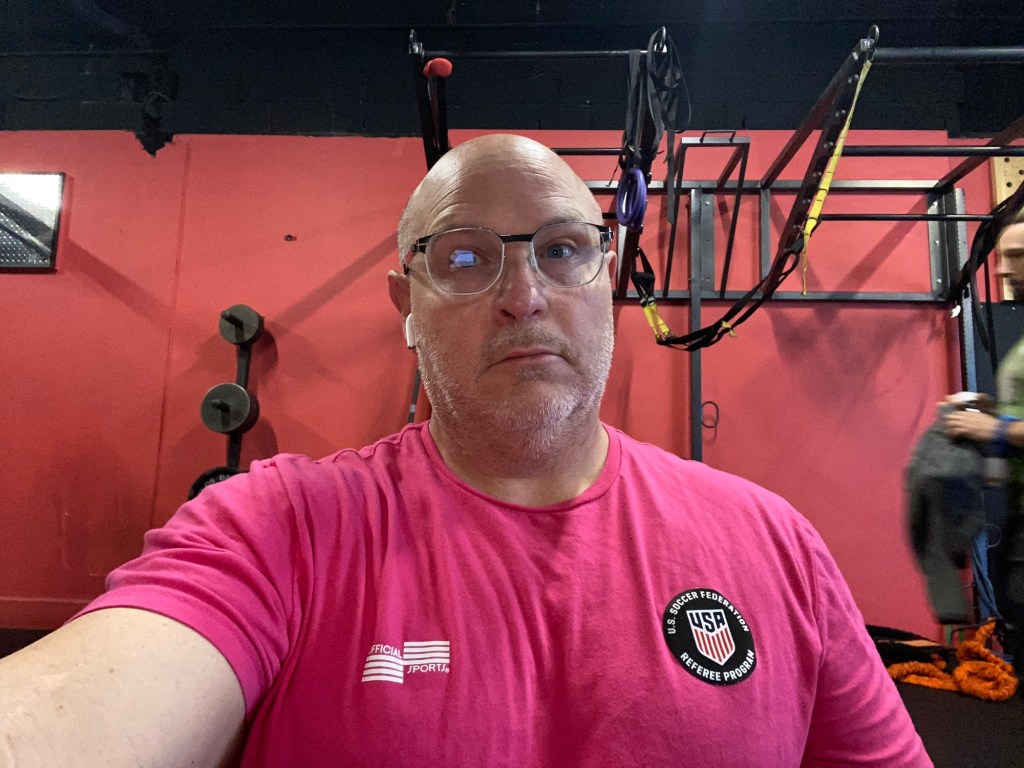
My journey in football started when I was only 8 years old, the game has been with me for the last four decades. As a player I learned that the game is the best teacher. I’ve been playing the game through most of those four decades. I’ve been coaching the game at the youth, high school and college level for the past two decades. During my coaching journey, I realized that the best way to teach the spirit of the game was to step inside the lines and join the third team. Once I stepped inside the pitch as a referee I began the journey of learning the art of officiating. Through my journey, I’ve had four main in person mentors. Whenever I had a difficult game, they would always be a phone call away to listen and help me reflect and learn from those experiences. Those mentors helped shape me into the referee I am today allowing me to go between competitive adult games to Under 8. This chapter of giving back to the guardians of the game is really needed in today’s environment. Today’s players see the game at the highest level and expect their games to be officiated the same way.
I stepped into the US Soccer Referee Program in Pennsylvania as the referee shortage grew. Since I had the player and coach experience I was learning all levels of the game at the same time. I only had one slow year of learning and then I was thrown into all games by multiple assigners. My coaching experience has allowed me to read the game and predict what the game will need. Within the soccer community games can play at all skill levels and sometimes a referee needs to flex from just applying the Laws of the Game to becoming a Chief Safety Officer. I meet my referee partners where they are on a given day and expect my referee team will meet the teams and players where they are each game day.
As a coach of a team, not all of my athletes can absorb all of my years of playing and coaching knowledge in one day, one week or one season. I realize that my athletes can likely process only one training item each training session. I need to focus on just one item per session: defending the goal, shooting, set pieces, combination play. If I try to squeeze too many items into one training session I’m going to overwhelm my athletes. Likewise when working with new referees, I ask them to guide me on one area they would like to focus on during a game. This teaching tool has made it challenging for some new referees who think they need to do everything right. The coach in me asks them to just focus on that one item and let the rest of the referee team worry about the other items.
My mentors had different soccer backgrounds that allowed me to gain insight into the different types of games that I may need to officiate: competitive, recreational and developmental soccer. Why is it important to have the diverse backgrounds? Not all games require the extreme details of the LOTG. Knowing that competitive soccer requires strict adherence to the LOTG and learning how to flexibly apply them to the level of competition becomes key to being a game manager. Learning how to become a chief safety officer is a requirement for recreational soccer. Often the players and coaches are still learning the nuances of the game. While something may technically not be a foul under the LOTG, knowing where to draw the line for safety purposes becomes key. Each one of my mentors was very good in reminding me that we need to meet the players where they are on that game day. We also needed to control the items that were controllable.
- Player safety is always first.
- At the competitive level adherence to the LOTG with flexibility is key.
- When in doubt consider the spirit of the game.
- Know when you are managing an event instead of being the arbiter.
The third team is key to the integrity of the game. While I continue to step on the pitch as a member of the third team I realize the game needs more players to join the third team. I remind my partners to put their player brain on first, then apply the LOTG to each game that we work. If we are right or wrong in our decisions we are humans doing the best that we can with the angle we are given for each play. I understand we need to bigger than the game and be there for the players.

 FCArmstrong
Leave a comment