
Referees–
What tools do you have in your toolbelt to manage player safety, fair play, sportsmanship and a general positive environment for our grassroots community players in PA West?
- Body Language
- Smile
- Well Timed Shoulder Shrug
- A little bow and nod to express humility
- Body positioning on the field.
- Inside Voice vs Command Voice
- Time or lack of time.
- Whistles
- Cards
- Field Marshalls
- Mentors/Referee Coaches
- Experienced Referee on your crew.
If you are a first year referee there is a good chance you never thought about using non-verbal or non-audible tools to control the game. Creating a presence starts as soon as you meet the coaches and the players. During a tournament like the Plum Kickoff Classic we have NO time to build that report since there is NO time between games. One game ends, you sign the game card, the next game kicks off.
When coaches, players, grandparents, siblings, and friends hear the word tournament, they tend to forget what grassroots soccer is about and focus only on WINNING the game, tournament or trophy. This is where having those extra tools in your toolbelt are very important.
About the Plum Kickoff Classic
The Plum Kickoff Classic has been the start of the grassroots soccer season in PA West for over 20 years. The tournament is organized, hosted, run, promoted, coached, parked, merchandised, scheduled, referee supported, field marshaled by 100% volunteers. This is the heart of grassroots soccer. Please realize everybody is here to keep the game affordable, local and fun. Keeping the community involved and the game fun equals fundamentals of soccer as a key to creating healthier places to live. I’ve been a coach, a volunteer and a referee in this tournament since 2006. Wearing those many hats has given me a special insight.
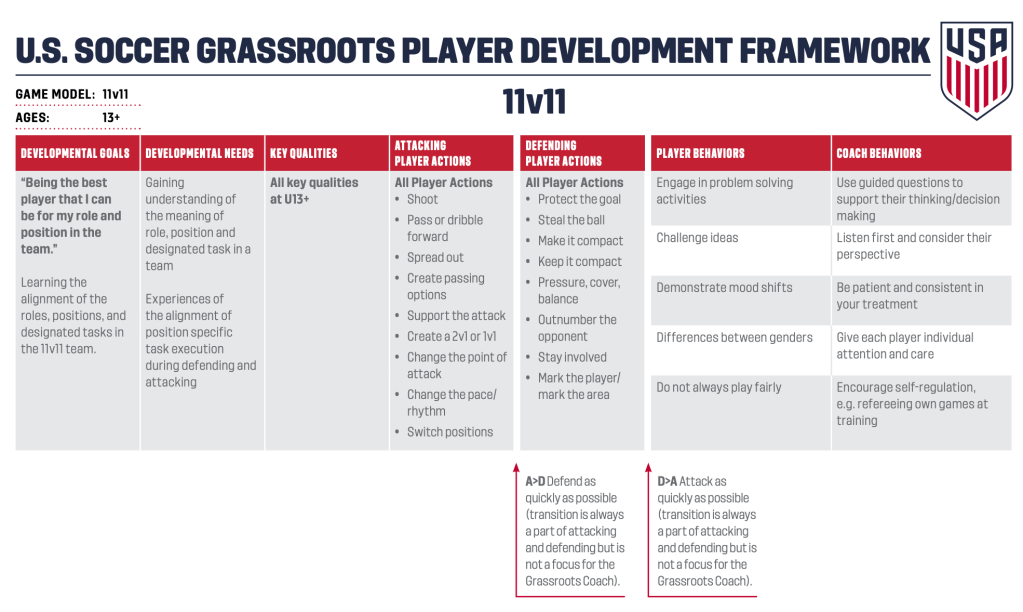
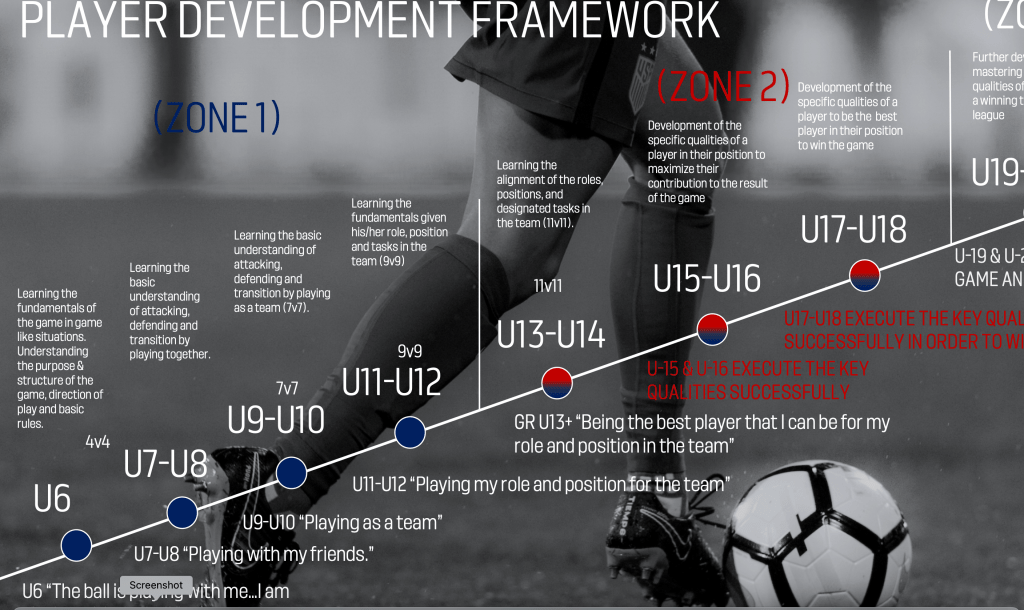
That being said — referees. There are many first time parent-coaches at this tournament. These parent-coaches may have never played soccer. They likely never had one coaching education course. They likely don’t know the laws of the game. Give the coaches some grace. We need to focus on the players first to make sure their needs are being met. Take time by teaching the rules- especially at the U10, U12 level. If you are having coach issues- try the soft tools first. If the coach is loud enough and direct enough that everybody on the other side of the field knows what is being said, then skip the soft tools. If there is body language by a coach that is obvious enough that the other side knows what is going on, then that also counts for card worthy. If the issue continues, it is perfectly OK to use TIME, put it on on your side. Slow down the game, get a mentor, experienced ref or field marshal. Let the time away from playing send the message and help de-escalate the tension, while getting yourself an extra teammate.
Referees- it’s your job to call fouls and apply the laws of the game. Just remember the traditional rule book when printed used to bend and flex, so be a little lenient and find the gray areas when working with these grassroots players.
Conduct and fouls: Player passes shall be available at each game.
In the event of a player receiving a red card or two yellow cards in the same game, the player will be ejected from the game and must serve a one game suspension during his or her team’s following game.
(Please make a note on your game card if a RED CARD is for VIOLENT CONDUCT)
Failure of a coach to uphold this rule will jeopardize the team’s standing. Referee decisions are final. Failure to respect the referees can result in coaches and/or parents being asked to leave the field area. Matters involving the conduct of a team, its players, coaches or supporters will be recorded by Plum Area Youth Soccer and reported immediately to PA West Soccer Association.
All matters involving referee assault (or abuse) shall, in accordance with USSF Rule 3042 and newly adopted 531-9, be referred immediately to PA West Soccer Association, and PA West Soccer and Plum Area Youth Soccer will have the responsibility for imposing, should circumstances warrant, additional sanctions within their respective jurisdictions.
Dear Coaches,
TIME- tick, tock, tick, tock, tick tock. Us referees are already the bad guys of this tournament. We have been instructed to keep things on time. This goes against my normal pregame approach. I’m already being handcuffed from my toolbelt.
We referees would love to take a minute and say hello before the game kicks off, ask you if there are any special situations with special players. Identify special needs (autism, asbergers, hearing issues. .etc) we want to know so we can proactively manage instead of trigger those players. TIME-However we don’t have time. Apologies in advance for being so short with you. We kick off at the :59 on the hour, take half at the :24 on the hour. The second half whistle is at the :28. If the game is within one goal, the final whistle is at :51. If the game isn’t close the final whistle is at :49. Yes we will use an actual timer, but if you try to cheat the game or the kids playing time with extra subs or other dumb tricks, we know. Really-We referees know. We prefer not to card, so don’t do it.
Remember this is about player safety. We have a different angle/viewpoint in the middle of the field than you do, so what you think is dangerous, may actually be very subtle and clean close up. This heading rule at the younger ages, makes high kicks very dangerous. I’ve seen more red cards for near high kicks to the head at U10, than I have in adult leauges over my lifetime. If it happens, the red card is for teaching purposes. Accept the card, teach them when to back off and when to use their chest.
Likewise, don’t crash the net– most of our goalies are still learning. We don’t want to write up a major injury report because your positional 9 ranover and kicked the keeper in the head because the keeper only had one finger on top of the ball. Any hand(finger) pinning the ball to the ground is typically good enough for possession at this level. Ortho ER trips are not part of the fun in learning soccer.
If a yellow card comes out quickly for a challenge from behind-tripping or charging- please use that card as a teaching moment. Only bad things happen when you challenge from behind and don’t get infront of the player with the ball.
Of the 6 Tasks of a US Soccer Coach, your first and foremost is LEADERSHIP. You are supposed to lead the individual player along with the team. Nowhere in the 6 tasks is coaching the referee, gaming the game or providing dissent. I’ll ask you quietly once, wave you off a second time, card you the third time and there will not be a fourth time. You will be going to coaching school or you will not be a coach ever again.
We are humans and you are here to teach your players how to be better humans. Winning and losing doesn’t matter. Developing ball skills, human skills and teamwork will help them develop into healthy global humans.









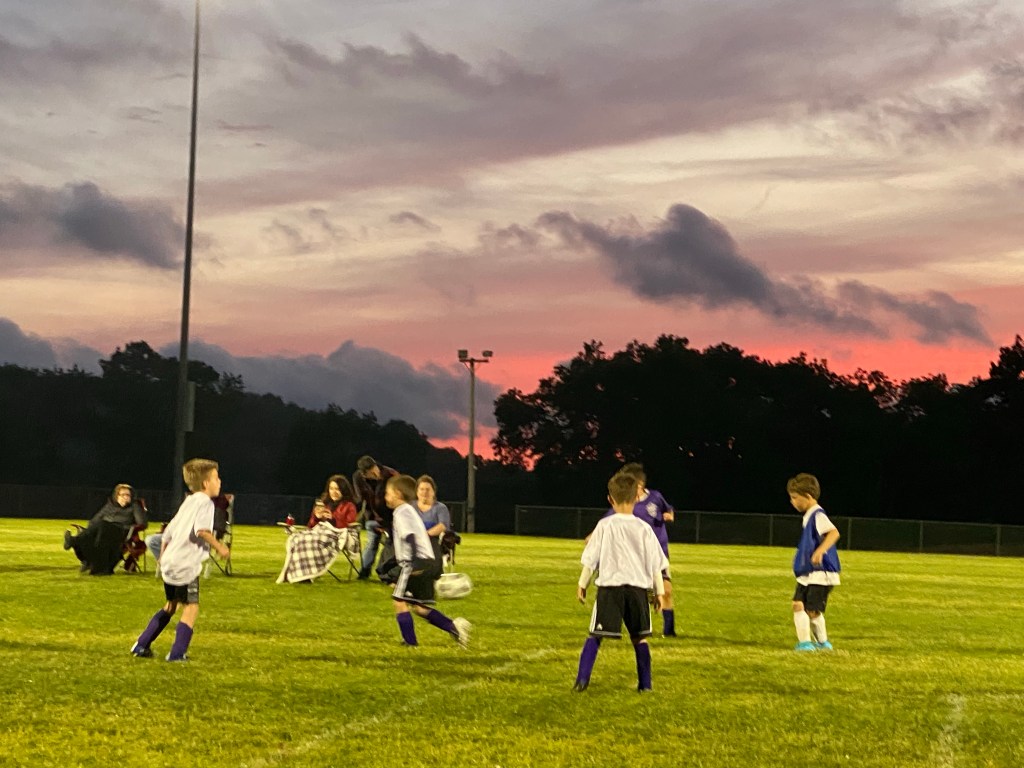
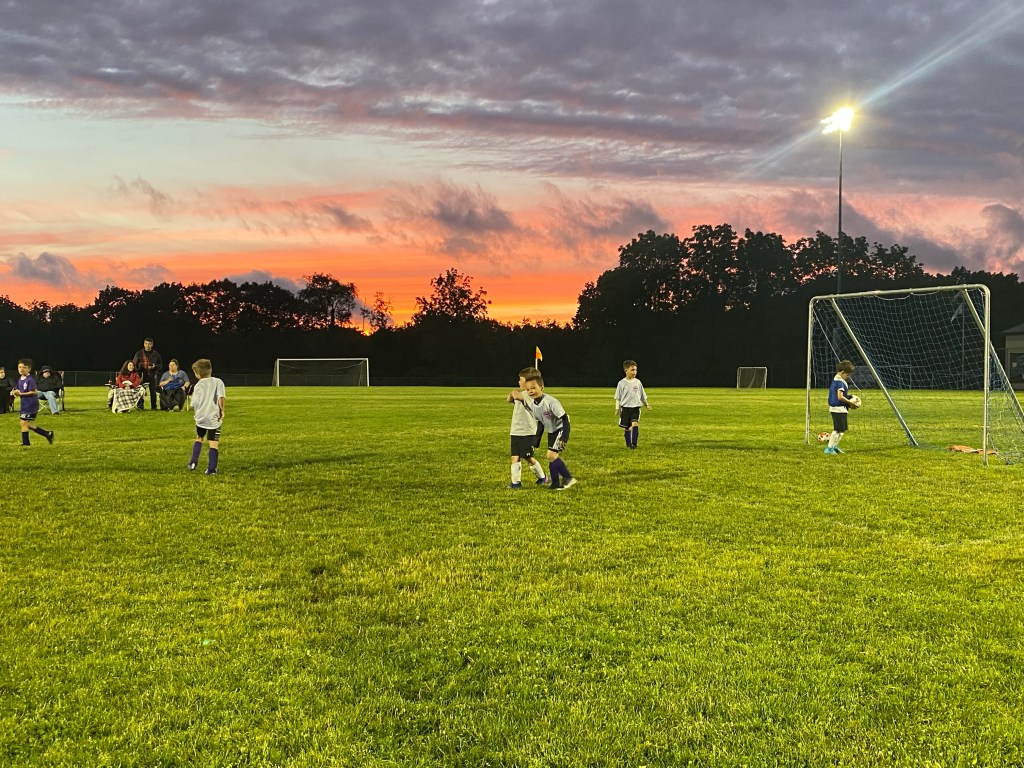
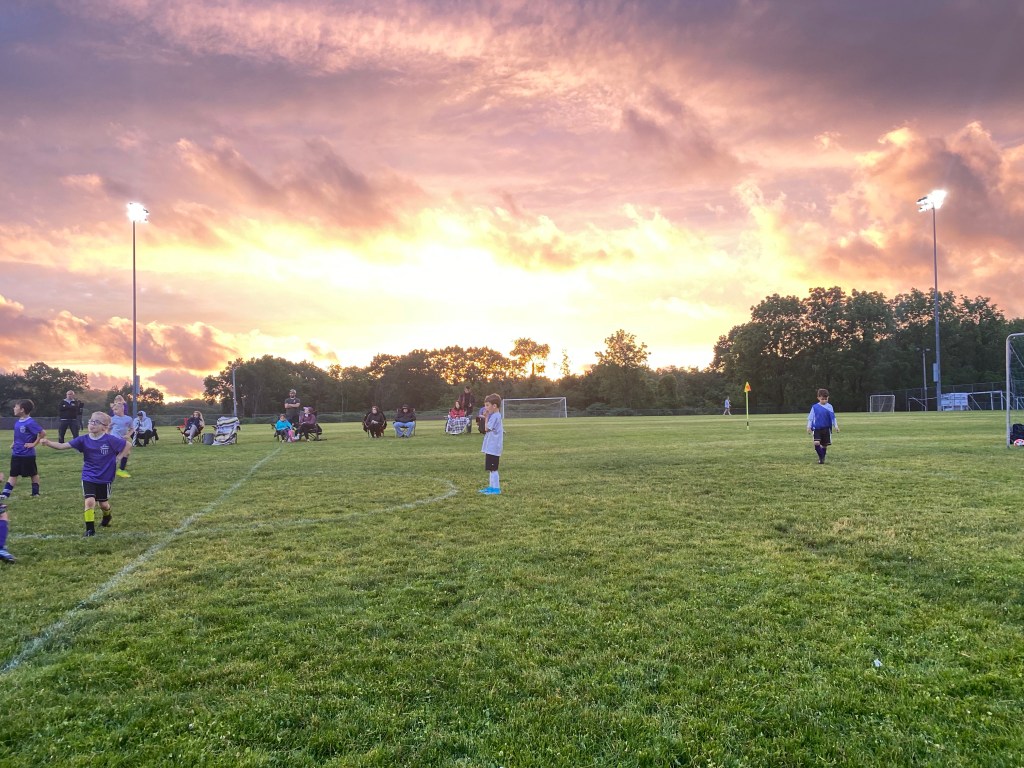





The newly adopted 531-9 clearly shows that US Soccer, US Youth Soccer and PA West is onboard to protect and develop our referees. Our goal as referees is to create a safe playing environment on the field for the players. While managing the game according to the laws of the game might be how we are taught, we need to remember that on the grassroots level, player safety is our first concern.
Just because contact and excessive force are not made– if we referees view intent and an attempt to harm another player we are encouraged to use our tools. Since this weekend is about fun and teaching. Going to the back pocket by reaction and to prevent injury is highly encouraged, especially of our young referees. Player safety is number 1. A red card for Serious Foul Play is when the ball is in play and there is a play for the ball. If the contact is made and there is no play for the ball it is VIOLENT CONDUCT.
That note being said–> these are grassroots players and first time coaches who often don’t understand the laws of the game. We may need to know when to bend the law book a little. If a circumstance arises where a VC situation arises, but we know the player truly doesn’t know what they are doing and no actual harm occurs. This may be the time to give the player a teaching ORANGE card instead of a straight red card in the spirit of learning. What you don’t carry an orange card, literally? Ask a mentor, coach or senior official to explain and orange card when they are on break.
We referees will find time to reflect and review our performance at halftime. We will be running to the potty at the end of the game. We may even be rehydrating when we are working as AR’s. Please don’t judge, we are doing our best to keep things safe and on time. Peace, love and grassroots football.
If this comes across as a little much, I encourage you to download and listen to the most recent episode of Refs Need Love Too by David Gerson with Skye Eddy.
 FCArmstrong
Leave a comment